i-Ready is a widely used assessment tool designed to measure students’ reading and math skills. One of its main features is the i-Ready Diagnostic, an adaptive assessment that gives teachers valuable insight into students’ academic levels. Understanding i-Ready Diagnostic scores by grade, especially for reading, can help parents, teachers, and students make sense of where a student stands and how to support their learning. In this blog post, we’ll break down how these iready diagnostic scores by grade reading work.
What are i-Ready Diagnostic Scores?
The i-Ready Diagnostic provides a scaled score that reflects a student’s reading ability based on a continuous scale across grades K-12. This means that the score is not limited to grade-level benchmarks but gives a more detailed picture of a student’s reading performance.
The reading diagnostic measures skills in several domains, including phonological awareness, phonics, high-frequency words, vocabulary, comprehension of literature, and comprehension of informational texts. After completing the assessment, students receive a score, and this score is compared to typical grade-level ranges.
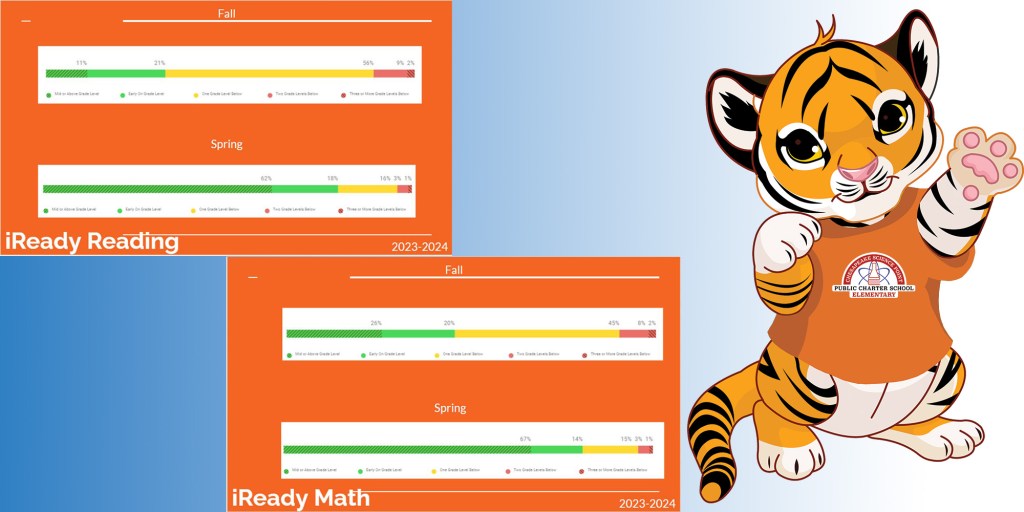
i-Ready Reading Score Ranges by Grade
Every grade has a recommended score range for the beginning, middle, and end of the school year. These ranges help identify if a student is early, on, or below grade level. Here is a general guide to i-Ready reading diagnostic score ranges by grade level (note that exact ranges may vary slightly by district and updated i-Ready versions):
Kindergarten
- Beginning of Year: 300–375
- Mid-Year: 375–410
- End of Year: 410–460
In kindergarten, students are primarily assessed on phonological awareness, phonics, and early vocabulary. Many students begin with lower scores and show rapid growth throughout the year as they develop foundational skills.
1st Grade
- Beginning of Year: 430–460
- Mid-Year: 460–485
- End of Year: 485–510
By first grade, students work on expanding their phonics knowledge and begin reading simple texts. i-Ready scores help teachers identify students who may still need additional support with letter-sound relationships and high-frequency words.
2nd Grade
- Beginning of Year: 510–535
- Mid-Year: 535–555
- End of Year: 555–575
In second grade, reading comprehension begins to play a bigger role. Students work on understanding both literature and informational texts. Students who score near or above 555 by mid-year are usually considered on-track.
3rd Grade
- Beginning of Year: 575–595
- Mid-Year: 595–615
- End of Year: 615–635
Third grade is often when students transition from “learning to read” to “reading to learn.” The scores now focus more on vocabulary, deeper comprehension, and fluency. Students who struggle with comprehension may show slower score growth.
4th Grade
- Beginning of Year: 635–650
- Mid-Year: 650–665
- End of Year: 665–680
In fourth grade, students should read more complex texts and engage in higher-level thinking. Scoring within this range helps ensure they are ready for grade-level expectations in comprehension, vocabulary, and analysis.
5th Grade
- Beginning of Year: 680–695
- Mid-Year: 695–710
- End of Year: 710–725
Students in fifth grade are expected to analyze texts, make inferences, and compare informational content. Scores below the recommended range could indicate struggles with comprehension and text analysis.
How to Use i-Ready Reading Scores Effectively
Identifying Strengths and Weaknesses
i-Ready Diagnostic doesn’t just give a number. It also provides detailed reports showing which specific skills students have mastered and which areas need improvement. Teachers use these reports to form small groups, tailor instruction, and provide interventions.
Monitoring Growth Over Time
Since i-Ready is often administered three times a year (beginning, middle, and end), educators and parents can track growth effectively. A student’s score should generally increase from the first assessment to the last. Even if a student does not meet grade-level expectations immediately, growth over time is a positive sign.
Supporting Students at Home
Parents can also play an essential role. Understanding the score range helps parents see whether their child is progressing as expected. Simple strategies like reading together, discussing books, and asking comprehension questions can make a big difference.
Final Thoughts
i-Ready Diagnostic scores are a valuable tool for understanding a student’s reading abilities by grade level. While the numbers themselves are important, the most significant part is how teachers and families use the information to support student growth. Remember, students develop at different rates, and i-Ready is just one piece of the puzzle. Consistent practice, positive reinforcement, and tailored instruction help students move toward reading success.
 iReady Diagnostic Scores by Grade for 2025-2026